

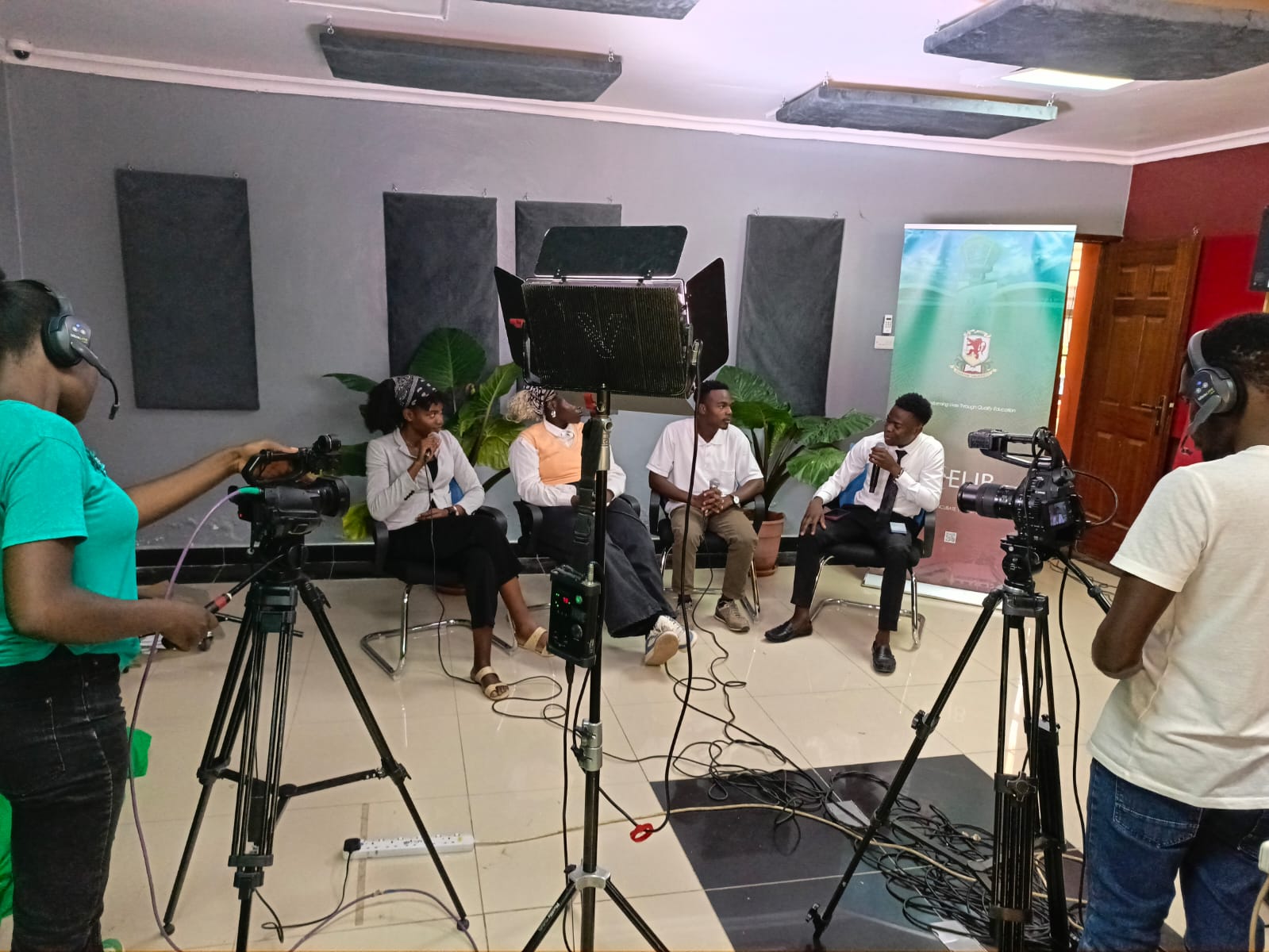
In terms of media, the twenty-first century’s rapid evolution has seen that, while still using the same types of communication methods (e.g., radio, television and newspapers), today's users also utilize digital forms of communication. Digital technology has contributed to how quickly and easily we communicate, utilising social networks (e.g., Facebook, Twitter and Instagram), smartphones, podcasts, video-streaming services (e.g., Netflix and Hulu).
In this new world, consumers have high expectations that media will be delivered quickly and will provide quality content that accurately reflects current events. In addition, communicators now face many new challenges due to the increase in dispersed audiences, availability of misinformation, and declining levels of institutional trust. Strategic storytelling can create a meaningful impact in this ever-changing, fast-paced environment; simple communication methods may no longer suffice to achieve desired results.
Media has expanded to also serve as a means for education, advocacy, community development, and behavioural change. People don't just consume content; they are also active participants in discussions that help shape public opinion and, ultimately, influence decision-making.
For this reason, any organisation looking to have impact needs to integrate communication into its everyday work practices. Those that are successful recognise the value of being authentic, engaging their audience, and strategically using either traditional or digital channels for communication.
CoELIB understands the role communication has in attaining sustainable development outcomes. Through its Media Communication and Advocacy pillar, it develops and delivers media and communication strategies for increased awareness, better stakeholder engagement, and positive youth development.
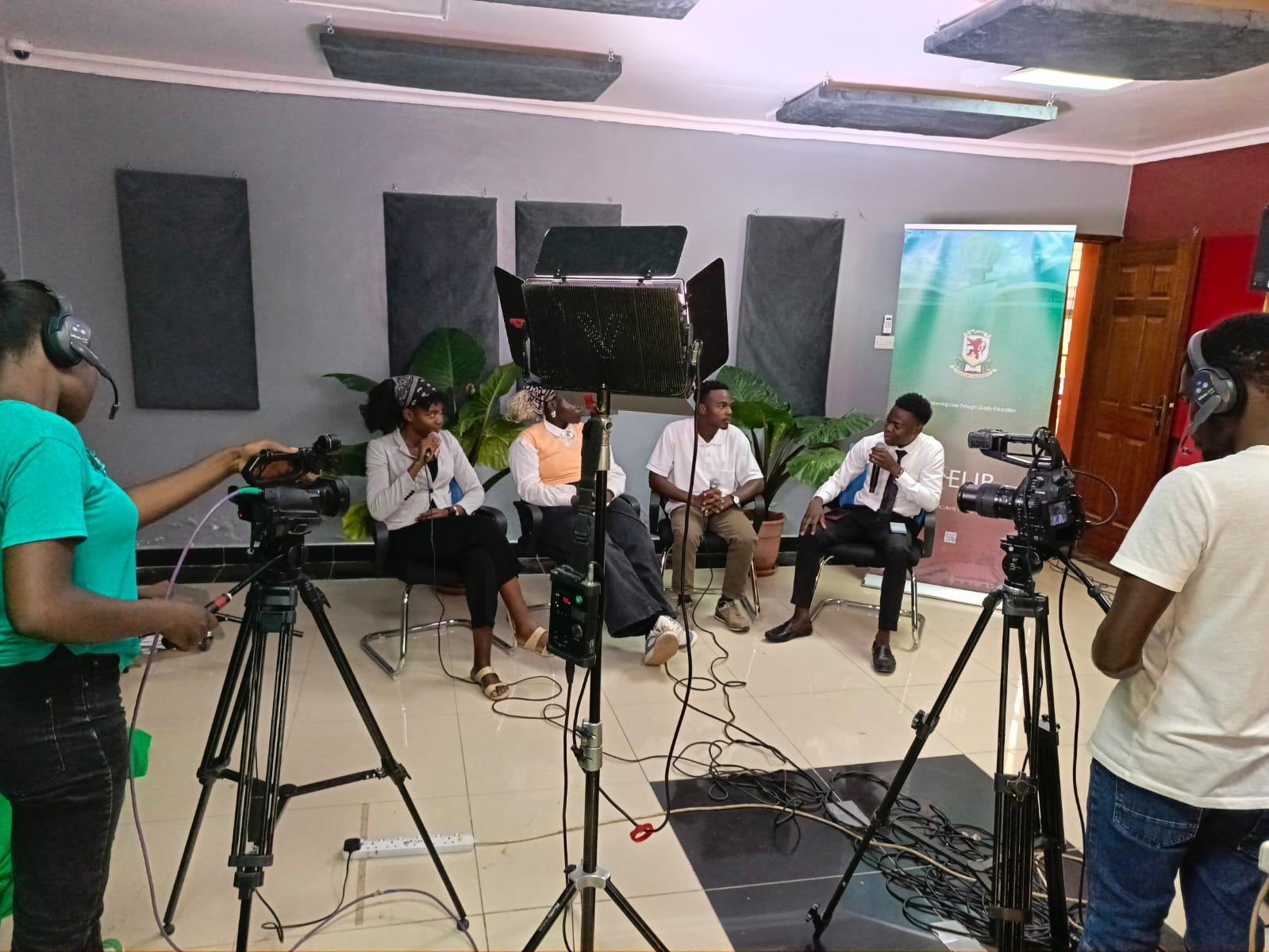
CoELIB’s approach is based on the idea that storytelling can change how we think and affect the future of our world. CoELIB highlights creativity and examples of innovation through its inFocus quarterly newsletter. The centre also hosts multimedia channels (CoELIB Radio and CoELIB TV) to create engagement opportunities for the youth and develop solutions to the issues that matter to them. These digital channels help increase the reach of development discussions, as well as provide a means for diverse voices and experiences to be heard.
As the media industry's demands constantly change, CoELIB recognizes its important role in developing the next generation of communications professionals. By offering industrial attachment and internships to Media and Communications students from various learning institutions across the continent, the centre allows students to bridge the gap between what they learn in school and industry requirements.
By Collins Achelo